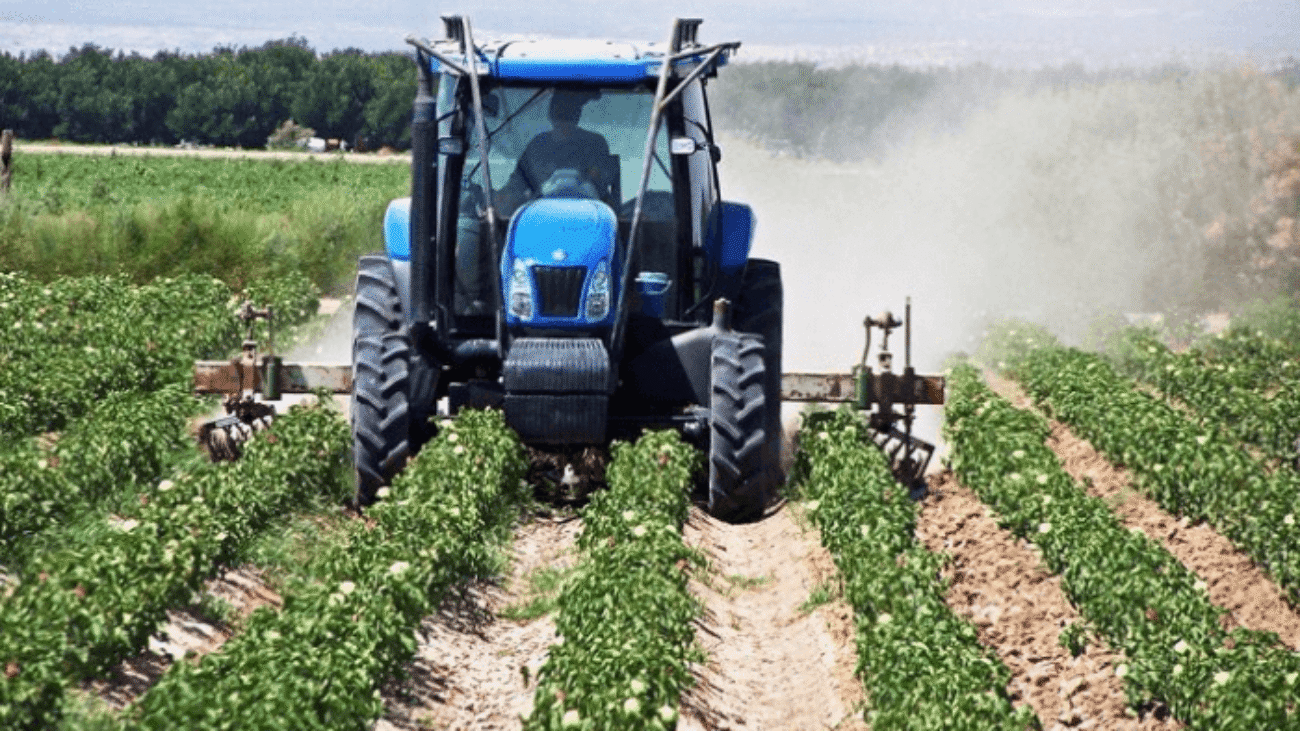
From the rustic and archaic mode of farming, with hoes and cutlasses back in the pre-independence days when focus was mainly on increasing production, the introduction of technology more so in the 21st Century has impacted positively on the value chain. So, as at this day technology is revolutionising Nigerian agriculture by boosting not only productivity, but through processing and preservation to contribute to reducing waste.
With the application of modern technology farmers are being empowered with knowledge and easier access to markets. And acting as catalysts in the driving process are precision farming, digital platforms, and mobile technologies.
These facilitating factors are enabling farmers to optimiSe the use of resources, make informed decisions, and have easier access to vital information.
The various machines assisting to fast track modern agricultural practices include tractors, combine harvesters, and precision farming technologies like GPS-guided machinery and drones. These Hi-Tech machines assist in farming processes such as soil preparation, planting, harvesting, and crop monitoring. Cumulatively, these have led to increased efficiency in the practices and productivity.
According to experts on agricultural practices, with regards to key technologies and their impacts, one important method is
Precision Farming. But what is it all about? The answer is not far fetched. Techniques like GPS-guided planting, field sensors, and remote sensing assist farmers to monitor soil conditions to know the right mixture and time to optimize irrigation, as well as ensure efficient use of inputs. These ultimately increase farm yields. This technology enables precise planting, irrigation, and fertilization, optimizing resource use and maximizing yields.
Drones equipped with cameras and sensors are used for crop monitoring, soil analysis, and assessing plant health, providing valuable data for informed decision-making.
The next to apply is Digital Agriculture Platforms: These platforms, according to those actively engaged in the use include mobile apps which provide access to extension services, weather forecasts and market information. With these in use as training materials, they assist to bridge the information gap and empowering farmers with requisite knowledge.
Another important application is the Big Data and Analytics: For the farmers to succeed they have to have on their fingertips data on market trends, demand patterns, and pricing. All these would allow farmers to make informed decisions with regards to what seeds to plant, when to sell the produce and where to sell them. Eventually, they reduce post-harvest losses while maximizing market profits.
Like it or not, we are in the Information Age when it has become both important and imperative to make good use of Mobile Technology: Currently, mobile banking and digital payment systems foster financial inclusion. So, mobile apps provide access to extension farming services and market information to empower the farmers.
On its part, Blockchain Technology enhances transparency and traceability in the agricultural supply chain. It also improves food safety while building trust amongst the consumers.
Not left out of modern technological application to boost the value chain is the Agricultural Machinery as earlier listed. The tractors, planting machines, and other farm equipment, with advancements in crop protection and livestock management combined improve productivity and reduce labour.
Perhaps, we need to understand the nitty-gritty of what exactly the functions which the different machines perform. For instance, tractors are widely used for tasks like ploughing, harrowing, and tilling the soil, and preparing it for planting.
As for combine harvesters, they are essential for harvesting crops, allowing farmers to quickly and efficiently collect grains and other produce. In addition, they are useful in reducing post-harvest losses.
Furthermore, irrigation systems like drip and sprinkler irrigation ensure optimal water usage. They reduce waste while improving crop health, especially in arid and sub-arid regions in the far northern states of Sokoto, Zamfara, Yobe, Bauchi and Borno.
The other machines are used for soil tilling and preparation for planting. Boom sprayers: are used for applying fertilizers, insecticides, and pesticides efficiently.
Post-harvest equipment include silos and threshers normally used to reduce post-harvest losses and maintain the quality of agricultural produce. But the seeders are machines used for accurate and efficient sowing of seeds. Also used are livestock trailers used for transporting livestock to and from farms.
Considered from all perspectives, the public, private sectors as well as endowed individuals involved in farming have to gain relevant knowledge on the cost and application of these modern machines. Doing so will assist improve on farming methods and mechanisms to enhance employment generation, better use of our farmlands, withstand the challenges of climate change on agriculture while boosting food and nutrition security.
With the application of modern technology farmers are being empowered with knowledge and easier access to markets. And acting as catalysts in the driving process are precision farming, digital platforms, and mobile technologies.
These facilitating factors are enabling farmers to optimiSe the use of resources, make informed decisions, and have easier access to vital information.
The various machines assisting to fast track modern agricultural practices include tractors, combine harvesters, and precision farming technologies like GPS-guided machinery and drones. These Hi-Tech machines assist in farming processes such as soil preparation, planting, harvesting, and crop monitoring. Cumulatively, these have led to increased efficiency in the practices and productivity.
According to experts on agricultural practices, with regards to key technologies and their impacts, one important method isPrecision Farming. But what is it all about? The answer is not far fetched. Techniques like GPS-guided planting, field sensors, and remote sensing assist farmers to monitor soil conditions to know the right mixture and time to optimize irrigation, as well as ensure efficient use of inputs. These ultimately increase farm yields. This technology enables precise planting, irrigation, and fertilization, optimizing resource use and maximizing yields.